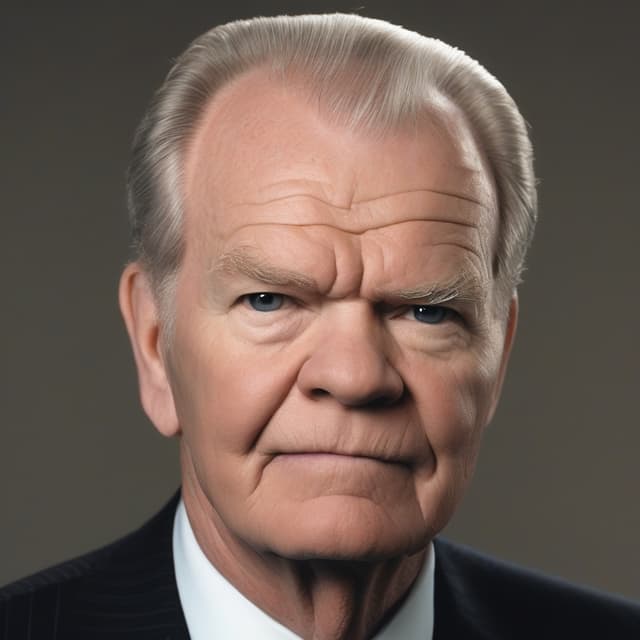
| Name | Paul Harvey |
| Career | Radio announcer • Host of popular public affairs TV show in the 1950s |
| Impact | Influential in the growing conservative movement in the 1960s and 1970s • Played a key role in bringing conservative ideas into the mainstream • Paved the way for the rise of modern American conservatism |
| Known for | Provocative, right-wing views and combative style |
| Profession | Political commentator • Television personality |
Paul Harvey was an American political commentator, television host, and influential figure in the conservative movement of the 1960s and 1970s. Though he began his media career as a radio announcer, Harvey is best known for hosting a hard-hitting public affairs television program that made him a major voice in American politics.
Born in 1918 in Tulsa, Oklahoma, Paul Harvey grew up in a religious and politically conservative household. He attended the University of Tulsa but left before graduating to pursue a career in radio broadcasting. Harvey quickly rose through the ranks, becoming a nationally syndicated radio host in the 1940s.
However, in the early 1950s, Harvey transitioned to television, landing a hosting job for a new weekly public affairs program on the ABC Television Network. "The Paul Harvey Report" quickly gained a large following for Harvey's outspoken, often controversial political commentary. Despite his radio background, Harvey proved to be a natural on television, delivering his opinions in a forceful and dramatic style.
Over the course of the 1950s and 1960s, "The Paul Harvey Report" became one of the most widely viewed public affairs programs in the country. Harvey used the platform to offer sharp critiques of the growing power of the federal government, the civil rights movement, and other liberal causes. He championed conservative economic policies, traditional family values, and an assertive foreign policy.
Harvey's confrontational style and provocative views made him a lightning rod for controversy. He frequently sparred with political leaders, accusing them of overreach and betraying the interests of average Americans. Nevertheless, his audience continued to grow, and he became an influential voice within the emerging conservative movement.
Though he never held elected office, Harvey played a crucial role in shaping the conservative political landscape of the 1960s and 70s. His television program helped legitimize and popularize right-wing ideas at a time when liberalism seemed ascendant. Harvey was an early and vocal supporter of figures like Barry Goldwater and Ronald Reagan, and his commentary was widely read and discussed within conservative circles.
Harvey's influence extended beyond his television program as well. He authored several best-selling books outlining his political philosophy, and he leveraged his celebrity status to campaign for conservative candidates and causes. Many credited Harvey with helping to pave the way for the conservative resurgence that culminated in the election of Reagan as president in 1980.
Though he remained a deeply controversial figure throughout his career, Paul Harvey's impact on American politics is undeniable. He was a polarizing but immensely influential commentator who helped shift the national discourse in a more conservative direction. His uncompromising defense of right-wing ideals and his mastery of television as a medium made him a pioneer of conservative media.
Even after his retirement in the 1980s, Harvey's legacy continued to loom large. His protégés went on to found or lead many of the major conservative news outlets and think tanks that dominate the political landscape today. And his model of bold, unapologetic right-wing commentary has continued to shape the tone and content of conservative media. For better or worse, Paul Harvey left an indelible mark on American politics.
